Treat or remove varicose veins? What really makes sense
With which complaints should you see a doctor?
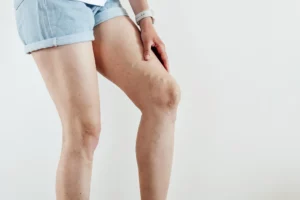
Varicose veins can become noticeable through visible, tortuous veins, but are often accompanied by symptoms such as a feeling of heaviness, tightness, swelling or pain in the legs. At the latest when recurring symptoms, skin changes or inflammation occur, a specialist should be consulted.
Are varicose veins just a cosmetic problem?
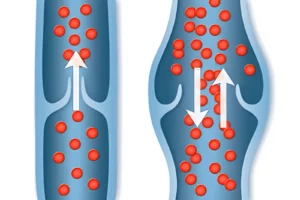
No. Even if they are often annoying for aesthetic reasons, medically they are a disease of the venous valves. If left untreated, venous insufficiency can worsen and lead to complications such as chronic swelling or skin damage in the long term.
When does treatment make sense?
Treatment is particularly indicated if symptoms persist or progressive venous insufficiency is detected. The decision depends on the individual findings, the extent of the changes and the patient’s level of suffering.
What modern treatment options are available?
Various gentle procedures are available today. In addition to traditional methods, minimally invasive techniques such as endovenous laser therapy or sclerotherapy are also used. These enable effective treatment with a short recovery time.
Why is an individual diagnosis so important?
A thorough examination – usually using ultrasound – forms the basis of every treatment decision. This is the only way to clarify which veins are affected and which treatment is appropriate in a specific case. Early clarification can help to alleviate symptoms and prevent consequential damage.